List: $5.99
| Sale: $4.20
Club: $2.99
This Is How We Talk
A Celebration of Disability and Connection
Author: Jessica Slice, Caroline Cupp
Narrator: Andrea Emmes
Unabridged: 22 min
Format: Digital Audiobook Download
Publisher: Listening Library
Published: 09/09/2025
Categories: Children's Fiction
Synopsis
From the creators of This Is How We Play is a new jubilant, inclusive audiobook that celebrates all the ways we communicate with each other.
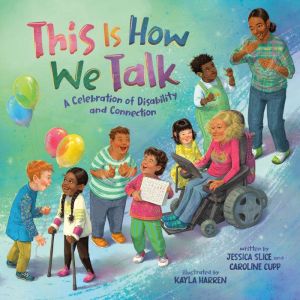
We sign, write, clap! We tap, stim, scream! So many ways to talk and joke, play and learn and dream. This joyful read-aloud, with an empowering refrain, from disability rights activists Jessica Slice and Caroline Cupp, demystifies and respects how disabled people and their families use different forms of communication to connect and show love.
Back matter consists of a kid-friendly guide to thinking, learning, and talking about disability and communication; a glossary of the different disabilities represented throughout the book; and a guide for grown-ups on ways to encourage discussions about disabilities with the children in their lives. Throughout, This Is How We Talk centers, affirms, and encourages the disabled children and adults who are already doing the challenging work of advocating for themselves and finding strength in community.
We sign, write, clap! We tap, stim, scream! So many ways to talk and joke, play and learn and dream. This joyful read-aloud, with an empowering refrain, from disability rights activists Jessica Slice and Caroline Cupp, demystifies and respects how disabled people and their families use different forms of communication to connect and show love.
Back matter consists of a kid-friendly guide to thinking, learning, and talking about disability and communication; a glossary of the different disabilities represented throughout the book; and a guide for grown-ups on ways to encourage discussions about disabilities with the children in their lives. Throughout, This Is How We Talk centers, affirms, and encourages the disabled children and adults who are already doing the challenging work of advocating for themselves and finding strength in community.

