List: $22.99
| Sale: $16.09
Club: $11.49
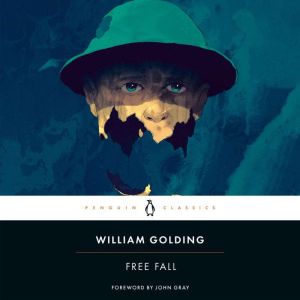
Free Fall
Author: William Golding, John Gray
Narrator: Daniel Weyman
Unabridged: 8 hr 8 min
Format: Digital Audiobook Download
Publisher: Penguin Audio
Published: 03/03/2026
Categories: Fiction, Literary Fiction, Historical Fiction
Synopsis
I could take whichever I would of these paths.
A Penguin Classic
Sammy Mountjoy rises from poverty to become an acclaimed visual artist. He is then swept into World War II and somehow, somewhere, he loses his freedom—as a prisoner of war, through torture, undergoing captivity in total darkness. As he retraces his life, the narrative moves between England and a prisoner-of-war camp in Germany. He begins to realize what man can be and what he has gradually made of himself through his own choices. But have those accumulated choices also deprived him of his free will?
After Lord of the Flies, William Golding wrote novels that further explored the complexities of human nature, not only social tendencies but the psychological underpinnings of human consciousness. This edition provides a Suggestions for Further Exploration section that identifies key themes throughout Golding’s novels—including Free Fall, first published in 1959—and connections to classic and contemporary fiction, nonfiction, film, and television.
Penguin Classics is the leading publisher of classic literature in the English-speaking world, representing a global bookshelf of the best works throughout history and across genres and disciplines. Readers trust the series to provide authoritative texts enhanced by introductions and notes by distinguished scholars and contemporary authors, as well as up-to-date translations by award-winning translators.
A Penguin Classic
Sammy Mountjoy rises from poverty to become an acclaimed visual artist. He is then swept into World War II and somehow, somewhere, he loses his freedom—as a prisoner of war, through torture, undergoing captivity in total darkness. As he retraces his life, the narrative moves between England and a prisoner-of-war camp in Germany. He begins to realize what man can be and what he has gradually made of himself through his own choices. But have those accumulated choices also deprived him of his free will?
After Lord of the Flies, William Golding wrote novels that further explored the complexities of human nature, not only social tendencies but the psychological underpinnings of human consciousness. This edition provides a Suggestions for Further Exploration section that identifies key themes throughout Golding’s novels—including Free Fall, first published in 1959—and connections to classic and contemporary fiction, nonfiction, film, and television.
Penguin Classics is the leading publisher of classic literature in the English-speaking world, representing a global bookshelf of the best works throughout history and across genres and disciplines. Readers trust the series to provide authoritative texts enhanced by introductions and notes by distinguished scholars and contemporary authors, as well as up-to-date translations by award-winning translators.


