List: $10.00
| Sale: $7.00
Club: $5.00
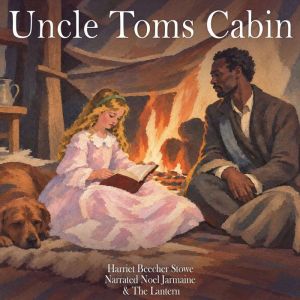
Uncle Tom's Cabin
Author: Harriet Beecher Stowe
Narrator: Noel Jarmaine, The Lantern
Unabridged: 17 hr 56 min
Format: Digital Audiobook Download
Publisher: Independently Published
Published: 09/27/2026
Synopsis
Harriet Beecher Stowe’s Uncle Tom’s Cabin is a landmark American novel that explores slavery, faith, family, sacrifice, and the struggle for human dignity. The story follows Uncle Tom, a deeply religious and compassionate enslaved man whose life is transformed when he is sold away from his family. As he passes through the hands of different owners, Tom encounters both kindness and cruelty while remaining committed to his faith and moral principles.
At the same time, Eliza Harris makes a desperate escape with her young son after learning that he may be taken from her, while her husband, George Harris, fights to secure freedom for himself and his family. Their stories reveal the devastating effects of slavery and the strength of those who struggle against it.
As Tom is eventually sold to the ruthless Simon Legree, his faith and courage are tested under increasingly brutal conditions. Through powerful characters and emotionally charged storytelling, Stowe examines injustice, compassion, conscience, and the bonds between family and community. First published in 1852, Uncle Tom’s Cabin became one of the most influential novels of nineteenth-century America and remains an important work of American literature.