104 Rating(s)
List: $20.00
| Sale: $14.00
Club: $10.00
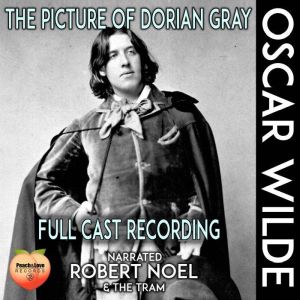
The Picture Of Dorian Gray
Full Cast Recording
Author: Oscar Wilde
Narrator: Robert Noel, The Tram
Unabridged: 9 hr 37 min
Format: Digital Audiobook Download
Publisher: Independently Published
Published: 04/10/2024
Categories: Fiction, Classic, Literary Fiction
Synopsis
In the dimly lit atelier of Basil Hallward, a talented and idealistic artist, the portrait of Dorian Gray comes to life on the canvas. This portrait, a masterpiece capturing the youth and allure of its subject, becomes the focal point of Oscar Wilde's haunting and philosophical novel, "The Picture of Dorian Gray."
Set against the backdrop of late 19th-century London, the novel opens with a scene of artistic inspiration. Basil, enamored by the beauty and innocence of his muse, Dorian Gray, lavishes praise upon him, declaring the portrait his finest work. Lord Henry Wotton, a charming and cynical friend, introduces Dorian to a hedonistic worldview that challenges the conventional morality of the time.
Dorian, captivated by Lord Henry's ideas, wishes for eternal youth and beauty, expressing a desire for his portrait to age instead of him. In a Faustian twist, Dorian's wish is granted, and the portrait becomes a repository for the consequences of his debauchery and moral decay.
As Dorian embarks on a life of pleasure, indulging in every hedonistic desire without the physical toll on his own appearance, the portrait undergoes a grotesque transformation. The once-pure image becomes a grotesque reflection of Dorian's corrupted soul. Yet, Dorian remains untouched by the consequences of his actions, his external appearance preserved in perpetual youth. The narrative weaves through the decadent society of London, exposing the hypocrisy and moral decay that lurk beneath the surface of Victorian respectability. Dorian's double life becomes a source of scandal and intrigue, and his portrait bears witness to the hidden horrors of his soul.
Set against the backdrop of late 19th-century London, the novel opens with a scene of artistic inspiration. Basil, enamored by the beauty and innocence of his muse, Dorian Gray, lavishes praise upon him, declaring the portrait his finest work. Lord Henry Wotton, a charming and cynical friend, introduces Dorian to a hedonistic worldview that challenges the conventional morality of the time.
Dorian, captivated by Lord Henry's ideas, wishes for eternal youth and beauty, expressing a desire for his portrait to age instead of him. In a Faustian twist, Dorian's wish is granted, and the portrait becomes a repository for the consequences of his debauchery and moral decay.
As Dorian embarks on a life of pleasure, indulging in every hedonistic desire without the physical toll on his own appearance, the portrait undergoes a grotesque transformation. The once-pure image becomes a grotesque reflection of Dorian's corrupted soul. Yet, Dorian remains untouched by the consequences of his actions, his external appearance preserved in perpetual youth. The narrative weaves through the decadent society of London, exposing the hypocrisy and moral decay that lurk beneath the surface of Victorian respectability. Dorian's double life becomes a source of scandal and intrigue, and his portrait bears witness to the hidden horrors of his soul.

