List: $5.99
| Sale: $4.20
Club: $2.99
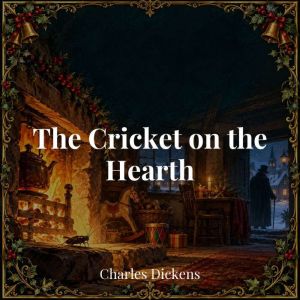
The Cricket on the Hearth
Author: Charles Dickens
Narrator: AI Voice Bob
Unabridged: 3 hr 54 min
Format: Digital Audiobook Download
Publisher: Mika
Published: 10/30/2026
Categories: Fiction, Classic, Family Life, Seasonal Fiction
Synopsis
This audiobook is narrated by an AI Voice.
What if the smallest voice in a home could reveal the greatest truth about love?
In The Cricket on the Hearth, Charles Dickens welcomes listeners into a world of glowing fireplaces, whispered secrets, and unexpected miracles of the human heart.
First published in 1845, this enchanting Victorian Christmas classic follows John Peerybingle, a kind-hearted carrier, and his young wife Dot, whose peaceful household is watched over by a mysterious cricket believed to bring happiness and good fortune.
But when an elderly stranger arrives at their cottage, troubling suspicions begin to threaten the couple's happiness. As jealousy and uncertainty take hold, John must decide whether to trust appearances or the love he has always known.
Meanwhile, the impoverished toymaker Caleb Plummer struggles to protect his blind daughter Bertha from the harsh realities of their lives, while the wealthy and calculating Tackleton prepares for a marriage that may conceal a heartbreaking injustice.
As hidden identities, misunderstood gestures, and long-buried emotions intertwine, the comforting song of the cricket becomes a symbol of hope amid confusion and despair.
Blending gentle humor, domestic mystery, and fairy-tale charm, Dickens explores the power of kindness, compassion, forgiveness, and the extraordinary beauty of ordinary family life.
A beloved part of his Christmas Books, The Cricket on the Hearth remains a moving celebration of love, trust, and the warmth of home.
This AI-narrated audiobook is designed to offer clear, polished, and immersive listening, bringing Dickens's vivid characters, intimate atmosphere, and emotionally rich storytelling to life.
Gather beside the fire, listen to the cricket's mysterious song, and rediscover a timeless Victorian tale of love and hope. Start listening today!