List: $4.99
| Sale: $3.50
Club: $2.49
Mary Postgate
Author: Rudyard Kipling
Narrator: Cathy Dobson
Unabridged: 38 min
Format: Digital Audiobook Download
Publisher: Red Door Consulting
Published: 08/08/2017
Categories: Fiction, Classic, Short Stories, Suspense & Thriller, Supernatural
Synopsis
Joseph Rudyard Kipling (1865-1936) was an English journalist, short-story writer, poet, and novelist.
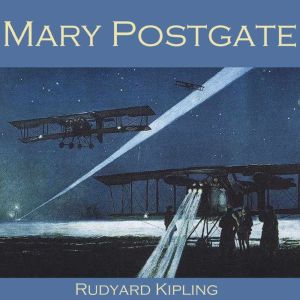
Mary Postgate is a horrifying story, and like much of Kipling's work it can be interpreted in different ways. It was written as propaganda in 1915 during World War I against the background of German atrocities and massacres in France, and just after German aircraft had engaged in bombing raids on English towns.
Mary Postgate was intended to inspire English readers with just such cold-blooded courage and ruthlessness as Mary herself displays. It is also, however, a portrait of a woman who finds release from societal, psychological, and sexual pressures in the context of war: the deaths of Wynn and little Edna Gerrit are not so much reasons as excuses for the behavior Mary indulges in.
Kipling provides us with detailed motivation of Mary's actions, so we understand why she behaves as she does: the story is full of ominous warning signs which prepare us for the dreadful climax. And the climax becomes more terrifying, more ghastly, the more carefully we listen to it.
Mary Postgate is a horrifying story, and like much of Kipling's work it can be interpreted in different ways. It was written as propaganda in 1915 during World War I against the background of German atrocities and massacres in France, and just after German aircraft had engaged in bombing raids on English towns.
Mary Postgate was intended to inspire English readers with just such cold-blooded courage and ruthlessness as Mary herself displays. It is also, however, a portrait of a woman who finds release from societal, psychological, and sexual pressures in the context of war: the deaths of Wynn and little Edna Gerrit are not so much reasons as excuses for the behavior Mary indulges in.
Kipling provides us with detailed motivation of Mary's actions, so we understand why she behaves as she does: the story is full of ominous warning signs which prepare us for the dreadful climax. And the climax becomes more terrifying, more ghastly, the more carefully we listen to it.