List: $10.99
| Sale: $7.70
Club: $5.49
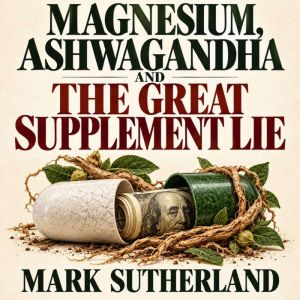
Magnesium, Ashwagandha and the Great Supplement Lie
Which Vitamins Actually Work, Which Do Nothing, and Which Can Hurt You
Author: Mark Sutherland
Narrator: AI Voice James Husk
Unabridged: 2 hr 10 min
Format: Digital Audiobook Download
Publisher: Independently Published
Published: 10/04/2026
Categories: Nonfiction, Health & Fitness, Nutrition
Synopsis
This audiobook is narrated by an AI Voice.
Every drug in a pharmacy had to prove it works before it reached a shelf. Almost nothing in the supplement aisle ever did.
No regulator checked that the magnesium helps sleep. Nobody confirmed that the ashwagandha calms stress, or that the capsule even contains what the label promises. The industry sells tens of billions of dollars of hope every year, and the rules let it sell first and answer questions only after people get hurt.
The real story is stranger than "supplements don't work." Some do, and they are almost always the boring, cheap ones nobody advertises. Many do nothing at all. And a few quietly do harm: antioxidants that raised cancer rates in the very people they were meant to protect, testosterone boosters spiked with hidden prescription drugs, herbal capsules that end up in liver clinics.
This is not a sales pitch and not a blanket debunk. It is a referee, holding every trending pill to the same test real medicine has to pass:
• why fish oil, turmeric and multivitamins so rarely live up to their labels
• why creatine, not anything on a viral list, is one of the best-studied supplements in sports science
• why a single blood test beats any stack an influencer recommends
• which pills genuinely work, for whom, and at what dose
• how to read a label, a study and an ad without being fooled
Hope is not evidence. Once the difference is clear, the supplement aisle never looks the same again.