List: $18.00
| Sale: $12.60
Club: $9.00
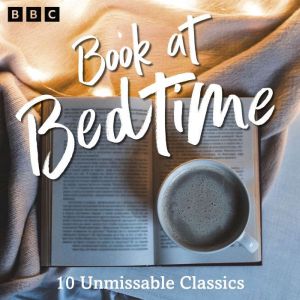
Book at Bedtime: A BBC Radio Collection
10 Unmissable Classics
Author: Charlotte Brontë, Robert Louis Stevenson, Jane Austen, Thomas Hardy, Henry James, Jerome K. Jerome, James Joyce, Virginia Woolf, Ford Madox Ford, F.M. Mayor
Narrator: Juliet Stevenson, Samuel West, Anne-Marie Duff, Alan Cumming, Amanda Hale, Hugh Laurie, Stephen Rea, Douglas Hodge, Toby Stephens
Unabridged: 26 hr 33 min
Format: Digital Audiobook Download
Publisher: BBC Digital Audio
Published: 02/23/2023
Synopsis
A bumper collection of accessible classics from the perennially popular BBC Radio 4 series
This diverse, wide-ranging anthology features readings of 10 of the greatest books in the English language, taken from the BBC's Book at Bedtime and performed by a stellar cast of narrators. Here are nearly 27 hours of sensational stories, from iconic romances and humorous travelogues to pioneering Modernist masterpieces and compelling explorations of the human heart. Comprising much-loved favourites as well as neglected classics, this genre-spanning selection has something for everyone.
This collection includes abridged readings of:
Persuasion by Jane Austen: Anne Elliot and Captain Wentworth get a second chance at love following their broken engagement seven years earlier. Read by Juliet Stevenson.
Jane Eyre by Charlotte Brontë: An orphaned young woman discovers romance when she meets the charming Mr Rochester. Read by Anne-Marie Duff.
Far from the Madding Crowd by Thomas Hardy: Independent Bathsheba Everdene must contend with three very different suitors all vying for her affections. Read by Douglas Hodge.
Travels with a Donkey in the Cévennes by Robert Louis Stevenson: Stephenson's travelogue from his 12-day hike, taken to distance himself from his love affair with a married woman. Read by Alan Cumming.
The Aspern Papers by Henry James: A nameless narrator goes to Venice to persuade American poet Jeffrey Aspern's lover to let him read Aspern's letters. Read by Samuel West.
Three Men on the Bummel by Jerome K. Jerome: The Three Men in a Boat return for a bicycle tour through the German Black Forest. Read by Hugh Laurie.
Dubliners by James Joyce: Form-defining stories about life in Dublin at the start of the 20th century. Read by Stephen Rea.
The Good Soldier by Ford Madox Ford: Two couples, two marriages; both seemingly perfect. But beneath the surface lies deception and betrayal. Read by Toby Stephens.
The Rector's Daughter by F.M. Mayor: Mary has spent thirty-five years taking care of others, but with the arrival Robert Herbert her quiet, ordered existence is changed forever. Read by Juliet Stevenson.
Orlando by Virginia Woolf: A playful mock biography of a chameleonic historical figure, immortal and ageless, who changes sex and identity on a whim. Read by Amanda Hale.
First published 1817 (Persuasion), 1847 (Jane Eyre), 1874 (Far from the Madding Crowd), 1879 (Travels with a Donkey in the Cévennes), 1888 (The Aspern Papers), 1900 (Three Men on the Bummel), 1914 (Dubliners), 1915 (The Good Soldier), 1924 (The Rector's Daughter), 1928 (Orlando)
© 2023 BBC Studios Distribution Ltd. (P) 2023 BBC Studios Distribution Ltd
This diverse, wide-ranging anthology features readings of 10 of the greatest books in the English language, taken from the BBC's Book at Bedtime and performed by a stellar cast of narrators. Here are nearly 27 hours of sensational stories, from iconic romances and humorous travelogues to pioneering Modernist masterpieces and compelling explorations of the human heart. Comprising much-loved favourites as well as neglected classics, this genre-spanning selection has something for everyone.
This collection includes abridged readings of:
Persuasion by Jane Austen: Anne Elliot and Captain Wentworth get a second chance at love following their broken engagement seven years earlier. Read by Juliet Stevenson.
Jane Eyre by Charlotte Brontë: An orphaned young woman discovers romance when she meets the charming Mr Rochester. Read by Anne-Marie Duff.
Far from the Madding Crowd by Thomas Hardy: Independent Bathsheba Everdene must contend with three very different suitors all vying for her affections. Read by Douglas Hodge.
Travels with a Donkey in the Cévennes by Robert Louis Stevenson: Stephenson's travelogue from his 12-day hike, taken to distance himself from his love affair with a married woman. Read by Alan Cumming.
The Aspern Papers by Henry James: A nameless narrator goes to Venice to persuade American poet Jeffrey Aspern's lover to let him read Aspern's letters. Read by Samuel West.
Three Men on the Bummel by Jerome K. Jerome: The Three Men in a Boat return for a bicycle tour through the German Black Forest. Read by Hugh Laurie.
Dubliners by James Joyce: Form-defining stories about life in Dublin at the start of the 20th century. Read by Stephen Rea.
The Good Soldier by Ford Madox Ford: Two couples, two marriages; both seemingly perfect. But beneath the surface lies deception and betrayal. Read by Toby Stephens.
The Rector's Daughter by F.M. Mayor: Mary has spent thirty-five years taking care of others, but with the arrival Robert Herbert her quiet, ordered existence is changed forever. Read by Juliet Stevenson.
Orlando by Virginia Woolf: A playful mock biography of a chameleonic historical figure, immortal and ageless, who changes sex and identity on a whim. Read by Amanda Hale.
First published 1817 (Persuasion), 1847 (Jane Eyre), 1874 (Far from the Madding Crowd), 1879 (Travels with a Donkey in the Cévennes), 1888 (The Aspern Papers), 1900 (Three Men on the Bummel), 1914 (Dubliners), 1915 (The Good Soldier), 1924 (The Rector's Daughter), 1928 (Orlando)
© 2023 BBC Studios Distribution Ltd. (P) 2023 BBC Studios Distribution Ltd